
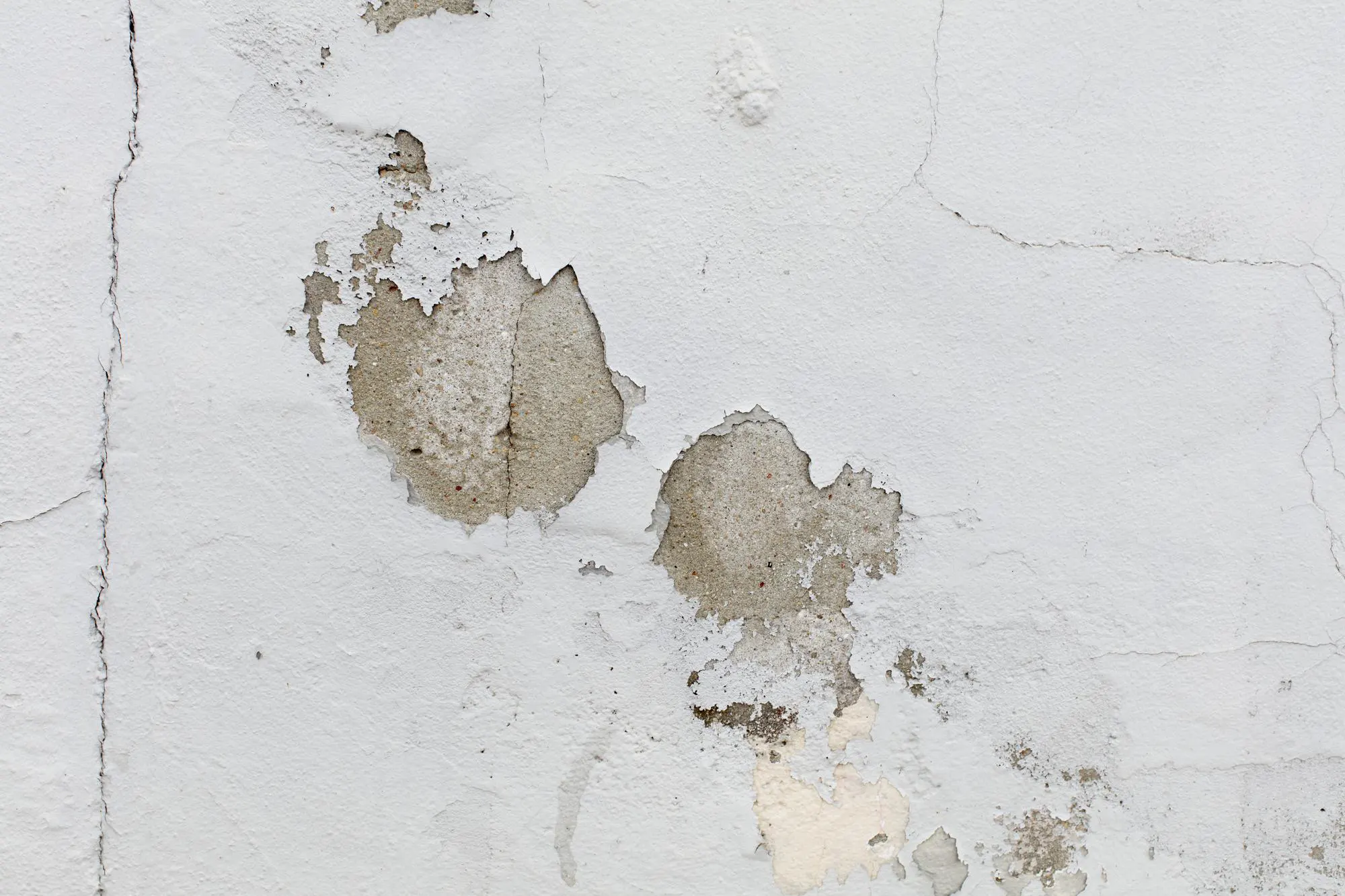
In the world of construction and property management, maintaining the structural integrity of a building is paramount. Even minor defects can escalate into serious safety hazards and financial burdens if left unaddressed. Defect Investigation Services provide a comprehensive approach to uncovering the underlying causes of structural issues, ensuring that problems are identified and remedied before they compromise the entire structure.
In this detailed guide, we explore the fundamentals of defect investigation, examine the methods and technologies used, and outline the benefits and best practices for effectively diagnosing and resolving structural issues. Whether you’re a property owner, contractor, or building manager, understanding these services is crucial for long-term safety and sustainability.
Understanding Defect Investigation Services
Defect Investigation Services involve a systematic and thorough examination of a building’s structure to identify defects that may compromise its safety, performance, or durability. This process goes beyond mere surface inspections; it involves the integration of advanced diagnostic tools and expert analysis to determine the root causes of structural failures.
Key Objectives of Defect Investigation:
- Identify Hidden Defects: Recognize problems that are not immediately apparent, like cracks, material degradation, or improper construction techniques.
- Determine Root Causes: To ensure that repairs address the underlying problems and not just the symptoms, it is important to understand why defects have occurred.
- Ensure Compliance: Ensure that the building is compliant with all relevant codes, standards, and best practices.
- Prevent Future Failures: Ensure that corrective measures are put in place that not only repair current defects but also prevent future issues.
Common Structural Defects in Buildings
Structural defects can manifest in various forms, depending on the building’s design, materials, and environmental exposure. Some common issues include:
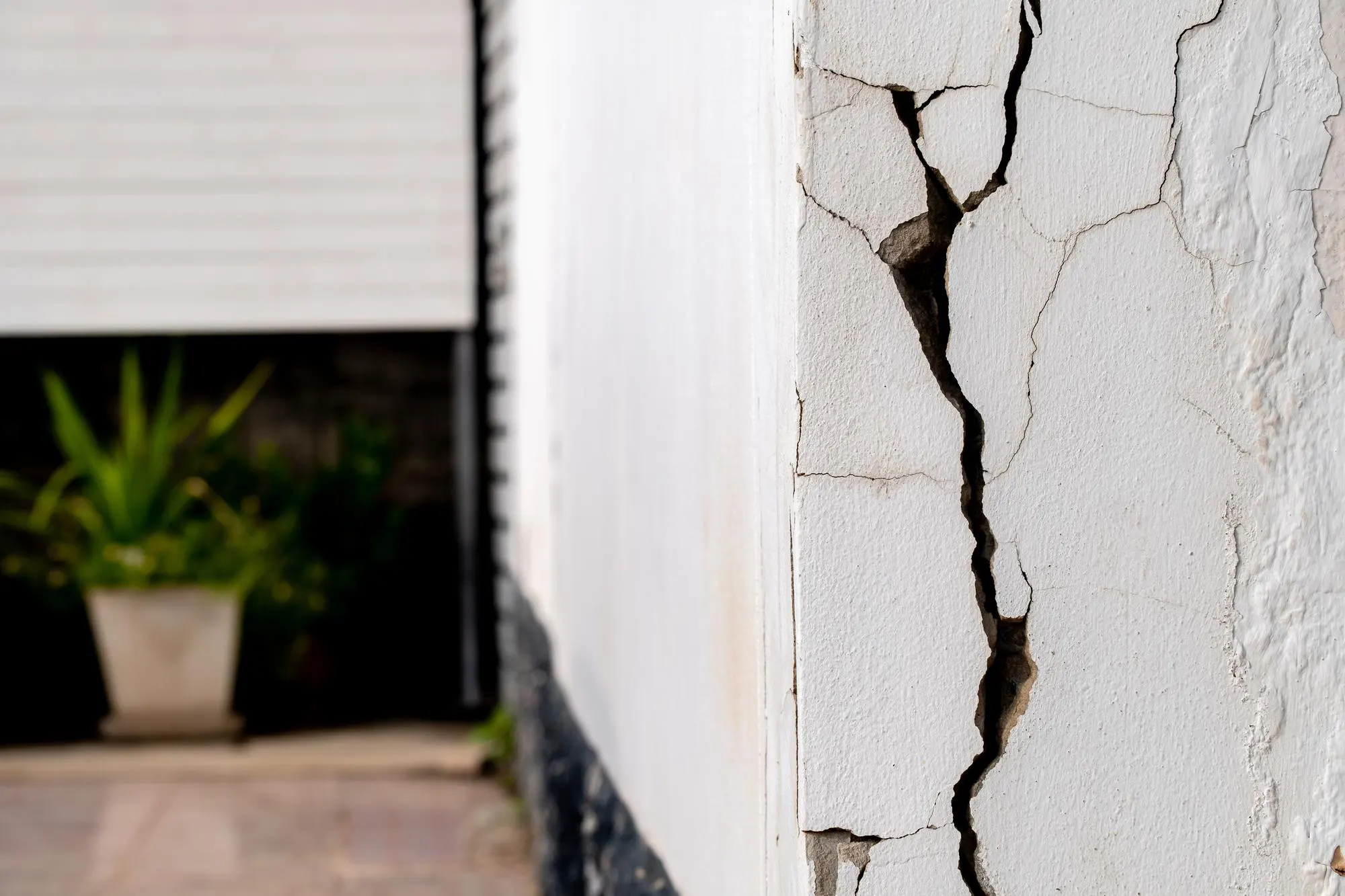
- Cracks in Walls and Foundations: Often a result of settlement, thermal movement, or material fatigue, cracks can indicate deeper structural instability.
- Water Ingress and Moisture Damage: Leaks in waterproofing systems or drainage failures can lead to damp, mold, and corrosion issues that weaken structural components.
- Defective Joinery and Connections: Poorly executed connections between building elements can result in misalignment, movement, or outright failure under load.
- Material Degradation: Over time, materials such as concrete, steel, or wood can deteriorate due to environmental exposure, chemical reactions, or poor maintenance.
- Improper Construction Techniques: Deficiencies during the construction phase—such as inadequate reinforcement, improper curing, or errors in design implementation—can cause long-term problems.
Understanding the types of defects that can affect a building is the first step in implementing effective Defect Investigation Services.
The Defect Investigation Process
A comprehensive defect investigation is a multi-step process that combines traditional inspection techniques with modern technological tools. Here’s how professionals typically approach the task:
- Preliminary Assessment
- Visual Inspection: The process begins with a thorough visual examination of the building’s interior and exterior. Inspectors look for obvious signs of damage, such as cracks, discoloration, or deformation.
- Historical Review: Investigators review the building’s construction history, maintenance records, and any previous repair work. This background information provides context for understanding current issues.
- Detailed Diagnostic Testing
Once initial observations suggest potential defects, a range of diagnostic tests is employed:
- Non-Destructive Testing (NDT): Techniques such as ultrasonic testing, radiography, and magnetic particle inspection allow evaluators to assess the integrity of materials without causing further damage.
- Thermal Imaging: Infrared cameras detect temperature variations that may indicate moisture intrusion, poor insulation, or structural weaknesses.
- Moisture Meters: These devices measure the moisture content in building materials, helping identify areas affected by water ingress.
- Load Testing: By applying controlled loads, engineers can observe how structural elements respond under stress, identifying potential failure points.
- Chemical Analysis: In cases of corrosion or material degradation, chemical tests can determine the presence of harmful substances that might be accelerating the deterioration.
- Data Analysis and Interpretation
- Integration of Findings: All data from visual inspections and diagnostic tests are compiled and analyzed. This holistic view helps pinpoint the root causes of defects.
- Software and Modeling: Advanced analytical software may be used to simulate the building’s performance under various conditions. Structural modeling can help predict future behavior and guide repair strategies.
- Reporting and Recommendations
- Comprehensive Report: The investigation concludes with a detailed report outlining all findings, the severity of defects, and the likely causes. The report includes visual documentation (photographs, thermal images) and quantitative data (moisture readings, load test results).
- Action Plan: Based on the findings, experts provide clear recommendations for remediation. This may include immediate repairs, long-term maintenance strategies, or even recommendations for more extensive renovations if needed.
Benefits of Professional Defect Investigation Services
Implementing thorough defect investigations offers multiple benefits for property owners and construction professionals:
Enhanced Safety
By uncovering hidden structural issues early, defect investigations help prevent catastrophic failures, ensuring the safety of occupants and workers.
Cost Savings
Early detection of defects can save significant amounts of money by addressing issues before they require extensive, expensive repairs. Preventive maintenance is always more cost-effective than reactive repairs.
Increased Property Value
Properties with well-documented maintenance histories and resolved structural issues are more attractive to potential buyers and tenants. Regular defect investigations demonstrate a commitment to quality and long-term care.
Regulatory Compliance
Staying compliant with building codes and industry standards is essential for legal and insurance purposes. Professional investigations provide the necessary documentation to prove compliance.
Improved Energy Efficiency
Defects such as air leaks or insulation failures not only impact structural integrity but also reduce energy efficiency. By addressing these issues, property owners can enhance the overall performance of the building envelope.
Informed Decision-Making
With detailed insights from a defect investigation, property owners and managers can make informed decisions regarding repairs, renovations, and future maintenance investments.
Best Practices for Implementing Defect Investigation Services
To maximize the effectiveness of defect investigations, consider the following best practices:
- Regular Inspections and Maintenance
- Scheduled Evaluations: Regularly scheduled defect investigations should be part of a proactive maintenance plan. This is particularly important for older buildings or those in harsh environmental conditions.
- Periodic Reviews: Even after repairs, periodic follow-up inspections are crucial to ensure that solutions remain effective over time.
- Use of Advanced Technologies
- Embrace Innovation: Incorporate modern diagnostic tools such as thermal imaging, ultrasonic testing, and digital data analysis to improve accuracy.
- Integrate Multiple Methods: Use a combination of testing methods to obtain a comprehensive view of the building’s condition.
- Collaboration with Experts
- Certified Professionals: Work with experienced structural engineers, inspectors, and material scientists who specialize in defect investigation.
- Interdisciplinary Approach: Collaborate with professionals from various fields—such as HVAC, electrical, and plumbing experts—to address all aspects of the building’s performance.
- Detailed Documentation
- Record Keeping: Maintain comprehensive records of all investigations, tests, and repairs. This documentation is invaluable for future assessments, warranty claims, and regulatory compliance.
- Transparent Reporting: Ensure that reports are clear and accessible, providing actionable insights that can guide maintenance decisions.
- Prioritize Repairs Based on Impact
- Risk Assessment: Prioritize interventions based on the severity and potential impact of the defects. Addressing critical issues first can prevent further damage and enhance safety.
- Cost-Benefit Analysis: Evaluate the financial implications of repair decisions to ensure that investments yield long-term savings and improved performance.
Future Trends in Defect Investigation
The field of defect investigation is evolving rapidly with advancements in technology and data analytics. Some emerging trends include:
- Smart Sensors and IoT Integration: Continuous monitoring systems using IoT sensors can provide real-time data on structural performance, enabling proactive maintenance and early defect detection.
- Artificial Intelligence (AI): AI-driven analytics can predict structural failures by analyzing historical data and identifying patterns that indicate potential risks.
- Enhanced Non-Destructive Testing Methods: Continued improvements in non-invasive testing techniques will further reduce the need for disruptive inspections, making the process faster and more accurate.
- Robotic Inspections and Drones: Autonomous systems equipped with advanced sensors can conduct detailed inspections in hard-to-reach areas, increasing safety and efficiency.
- Sustainable Building Practices: As sustainable construction becomes increasingly important, defect investigation will focus on ensuring that buildings not only perform structurally but also maintain energy efficiency and environmental sustainability.
Conclusion
Defect Investigation Services are vital for uncovering the root causes of structural issues before they escalate into major problems. By employing a comprehensive approach that combines visual inspections, advanced diagnostic techniques, and expert analysis, property owners can safeguard their investments, enhance building performance, and ensure the safety of occupants.
Investing in regular defect investigations not only improves structural integrity and energy efficiency but also supports compliance with building codes and sustainability goals. As technology continues to evolve, these services will become even more integral to proactive building maintenance and management.
For expert guidance and professional defect investigation services to address your building’s structural concerns, contact us today. Let our experienced team help you uncover hidden defects and implement solutions that protect your property for the long term.